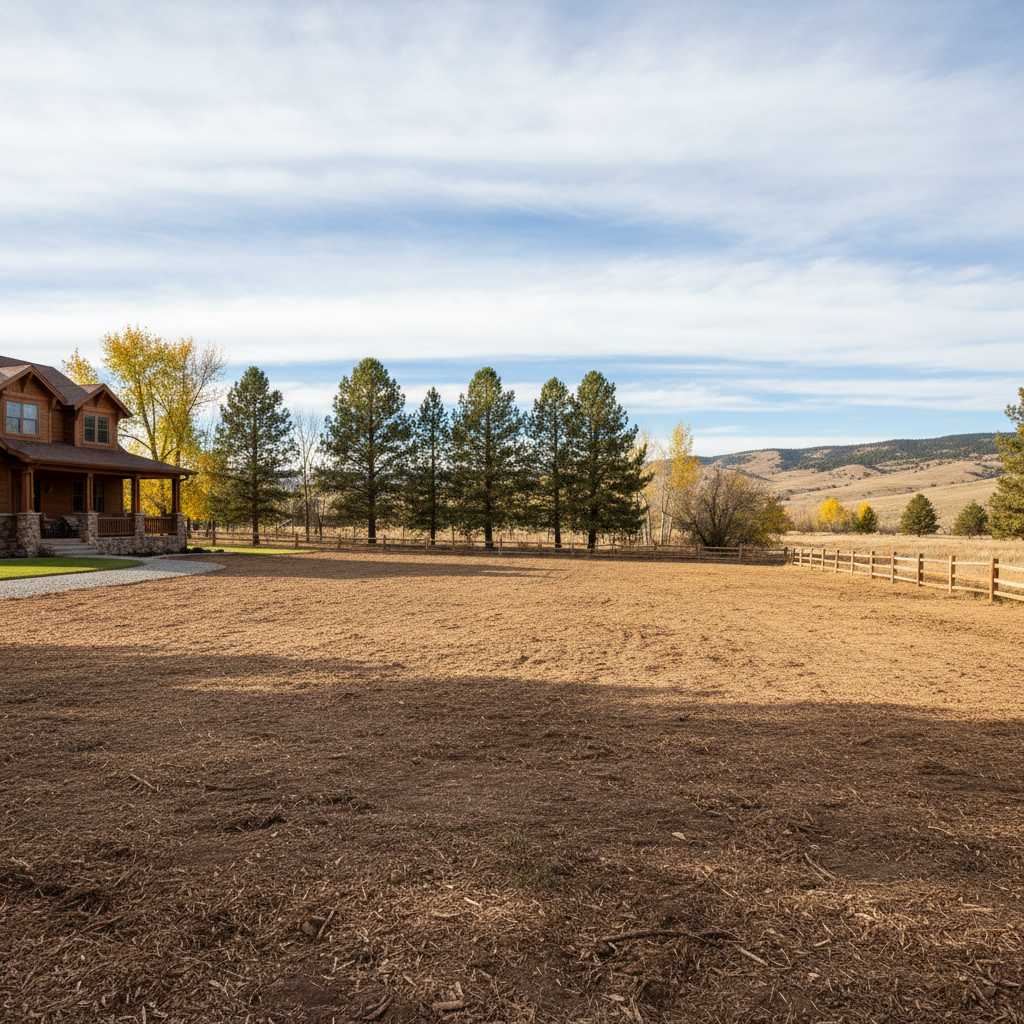
Clearing a plot of land gives you a clean slate, but the job does not finish when the last stump is ground down. Here on the high plains, the local elements waste no time testing exposed earth. If you have recently cleared out brush, thickets, or dead timber near the Sun River or out on the benchlands, you know how fast things can shift. Between the heavy winter freezes and those relentless Chinook winds blowing off the Rockies, bare soil takes a beating.
Keeping that cleared land stable means staying ahead of erosion and unwanted regrowth. Here is a look at what you need to do to protect your property and keep it usable year-round.
What Regular Upkeep Looks Like
You cannot just walk away once the heavy machinery leaves. Maintaining cleared land is all about managing what comes back up and keeping the soil pinned down.
- Watch for aggressive weeds like spotted knapweed taking over disturbed ground.
- Check drainage paths after spring snowmelt to make sure water is not cutting deep ruts across your yard.
- Clear out windblown debris and fallen branches before they choke out new ground cover.
Establishing a fast-growing cover crop or native grasses right away makes a massive difference. Without roots holding the dirt together, the first strong windstorm will strip your topsoil away.
Warning Signs That Trouble is Brewing
Mother Nature will usually give you hints when your cleared land needs attention. Ignoring these signs usually leads to bigger headaches down the road.
Pooling water is a major red flag. If water sits in low spots for days after a rain or thaw, your grading might need adjustment, or compaction from heavy equipment is stopping drainage. You should also keep an eye out for sudden bank slumping if your property sits near a slope or drainage ditch. Deep cracks forming in the dry summer dirt mean the soil is shifting too much.
Knowing When to Bring in the Pros
Some upkeep tasks fit a standard weekend DIY schedule, but other situations demand heavy-duty help. Allgreen Tree Service Great Falls often gets calls after property owners try to tackle stubborn secondary root systems or major erosion control on their own.
Call in a professional crew if you notice persistent, deep-seated brush coming back thicker than before, or if soil erosion threatens structures or fencing. Dealing with stubborn root balls from large cottonwoods or box elders requires equipment that standard rental yards just do not carry. Staying proactive keeps your land safe, stable, and ready for whatever you plan to build or plant next.