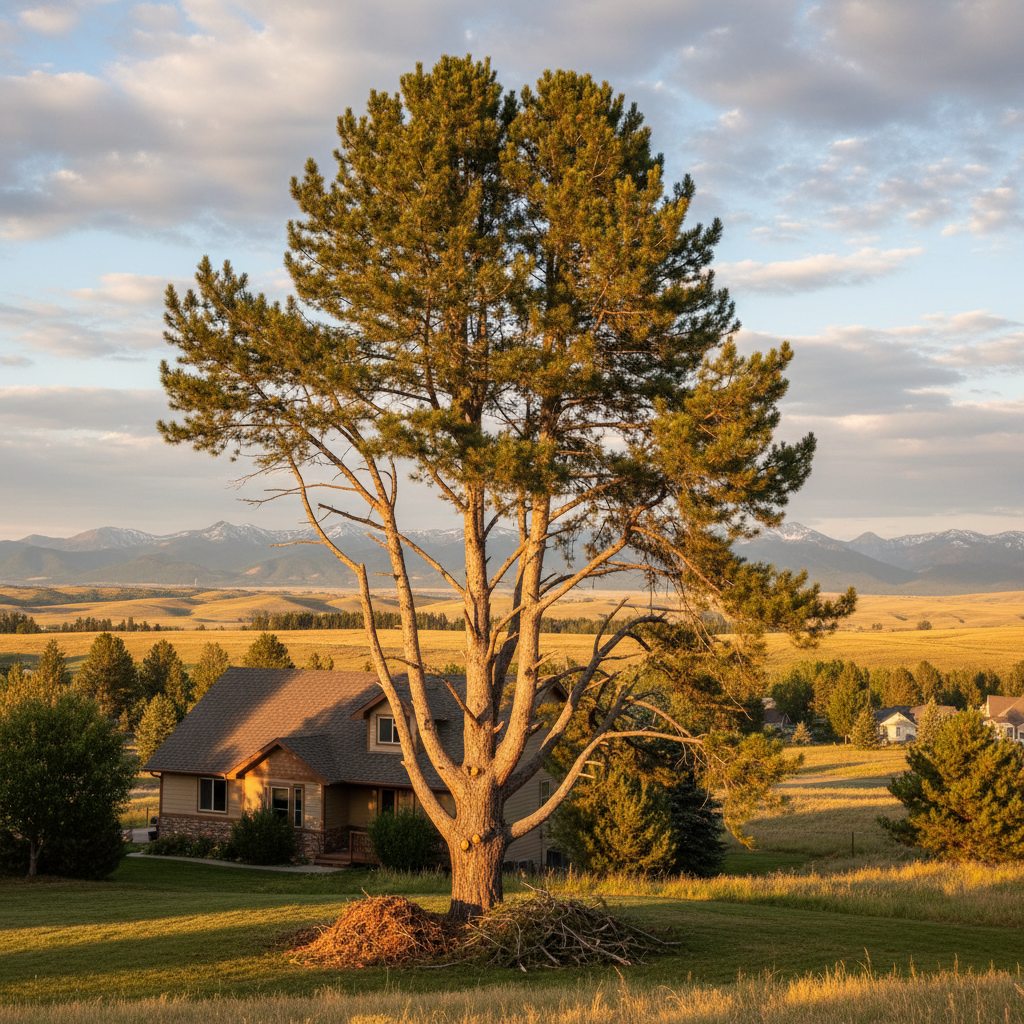
Alright, let's talk about tree trimming here in Great Falls. It's one of those things folks often think about only when a branch is hanging low or a storm's brewing, but the truth is, when you trim your trees makes a huge difference. It's not just about making them look pretty; it's about their health, their strength, and frankly, keeping your property safe. As someone who's been climbing and cutting around this valley for years, I've seen it all, and I want to give you the straight scoop on how to protect your green investments.
The Best Time to Trim: It's All About Dormancy
For most deciduous trees – that's the kind that lose their leaves in the fall – the absolute best time to do any major pruning is when they're dormant. Think late fall, after the leaves have dropped, and all through the winter, right up until early spring before the buds start swelling. Why then? A few good reasons:
- When there are no leaves, we can see the tree's structure clearly. It's easier to spot dead, diseased, or crossing branches that need to go.
- The tree is 'asleep,' so to speak. Cutting it then causes less stress because it's not actively growing and putting all its energy into leaves.
- Pests and diseases are less active in the cold. Open wounds on a tree are like an open door for problems, but in winter, those doors are less likely to be rushed by unwelcome guests.
- Plus, for us, it's often easier to work without all the foliage in the way, and there's less chance of damaging surrounding plants.
Now, there are exceptions. Some trees, like maples and birches, can 'bleed' a lot of sap if pruned in late winter or early spring. It's not usually harmful to the tree, but it can look a bit unsightly. For those, you might aim for late summer after they've fully leafed out and hardened off, or stick to deep winter. Fruit trees also have their own specific timing, usually in late winter for maximum fruit production.
What About Summer Trimming?
Summer pruning isn't off-limits entirely, but it's usually for different purposes. If you've got a branch that's broken, rubbing against your house, or creating a hazard, don't wait. Get it taken care of immediately, no matter the season. That's hazard mitigation, and it's always a priority. Beyond that, summer pruning is often for:
- Corrective pruning: Taking out a few small branches that are growing incorrectly or crossing.
- Reducing size: If a tree is just getting too big for its spot, light summer pruning can slow down its growth.
- Thinning: Improving air circulation and light penetration, which can be good for overall tree health, especially in our often-humid summers here in Great Falls.
Just remember, heavy pruning in summer can stress a tree because it's actively trying to produce food through its leaves. You're essentially taking away its food factories. So, keep it light and focused.
Great Falls Weather and Tree Work: What You Need to Know
Our weather here in Great Falls is, well, *Great Falls weather*. It's a beast of its own, and it definitely impacts when and how we can work. We get those chinook winds that can pop up out of nowhere, and the ground can be frozen solid for months. Here's how that plays into tree trimming:
- Wind: High winds are a no-go for tree work, especially with large trees. It's just too dangerous for the crew and for your property. We'll always reschedule if the wind picks up. Safety first, always.
- Ice and Snow: While winter is prime pruning season, heavy ice or snow can make climbing treacherous and hide structural issues. We prefer to work on clear, cold days. If there's a heavy snow load on branches, we might advise waiting until it melts off, unless it's an emergency.
- Frozen Ground: This can actually be a benefit! When the ground is frozen solid, our equipment, like bucket trucks or chippers, leaves less of an impact on your lawn. No deep ruts or mud pits. This is especially true for properties with softer soils, like those along the river or in some of the older neighborhoods where drainage isn't perfect.
When you call Allgreen Tree Service Great Falls, we're always monitoring the local forecast. We'll communicate with you about any weather-related delays or adjustments to the schedule. We want to get the job done right and safely.
Protecting Your Investment Year-Round
Trimming is a big part of tree care, but it's not the only thing. To really protect your trees and keep them thriving, think about these year-round:
- Regular Inspections: Walk around your property a few times a year. Look for dead branches, cracks, strange growths, or signs of pests. Catching problems early can save a tree.
- Watering: Especially during dry spells, even mature trees can benefit from deep watering. Young trees need consistent moisture.
- Mulching: A good layer of mulch around the base of your trees helps retain moisture, regulate soil temperature, and suppresses weeds. Just keep it a few inches away from the trunk itself.
- Don't Top Your Trees: This is a big one. Topping, which is cutting off the main leaders or branches to stubs, is terrible for trees. It creates weak growth, makes them more susceptible to disease, and often shortens their lifespan. A reputable arborist will never top a tree.
- Professional Advice: If you're unsure about a tree's health or what kind of pruning it needs, call in the pros. We can assess the situation and recommend the best course of action. Sometimes, what looks like a big problem is easily fixed; other times, a seemingly small issue could be a sign of something serious.
Your trees add value and beauty to your property, and they're living things that need care. By understanding when and how to trim, and by keeping an eye on them throughout the year, you're doing a great job protecting that investment. If you've got questions or need a hand, don't hesitate to reach out to Allgreen Tree Service Great Falls. We're here to help keep your trees healthy and your property safe.